About MCARI
Independent Research
on Myanmar's Conflict.
MCARI records political violence and conflict-related events in Myanmar, event by event, from the 1 February 2021 coup onward, and publishes what that record shows, and what it cannot, in English and Burmese.
The Gap We Are Trying to Close
Sustained tracking of Myanmar's conflict has largely been built outside the country. MCARI's record is built from Myanmar-language reporting and from its own network of local sources, and it is read by people who know the places and the actors concerned.
Locally grounded research offers something that external monitoring cannot fully replicate — the ability to read events against accumulated contextual knowledge, to distinguish signal from noise in ways that require familiarity with local actors and dynamics, and to maintain analytical continuity through researchers with a direct stake in the subject.
There is also a longer-term consideration. Research institutions are not built quickly. They require accumulated practice, consistent standards, and a research culture that sustains rigor across people and projects. Myanmar has had few conditions in which to develop that infrastructure. MCARI is an attempt to contribute to it.
- Founded
- 2023
- Independent, non-partisan
- Registered
- United States
- 501(c)(3) nonprofit, Wisconsin
- Focus
- Myanmar
- Conflict analytics · Human security · Socio-economic research
- Data coverage
- From 1 February 2021
- Every state and region
To record Myanmar's conflict event by event, under rules that are published, and to make that record usable by researchers, humanitarian partners and those working for accountability.
To build a permanent, independent record of Myanmar's conflict — and demonstrate that rigorous conflict research can be led from within the Myanmar research community, not only from outside it.
Our Work
What We Do
Conflict data
An event dataset covering every state and region since February 2021, coded to 7 event types and 36 sub-event types. Township maps are open to all. The event-level map, issue PDFs and data requests require an account.
The Myanmar Conflict Monitor
Quarterly and annual issues in English and Burmese. Each names the data edition and codebook version behind its figures.
Beyond the Battlefield
Beyond the Battlefield: research papers, policy briefs and incident briefs on displacement, population and humanitarian conditions.
What We Hold Ourselves To
Integrity
We publish what the data shows, not what would be convenient. If figures are uncertain or disputed, we say so.
Independence
MCARI is not affiliated with any government, armed group, or political organization. Our findings are not adjusted to reflect the interests of funders or partners.
Accuracy
An event resting on one or two reports is put to local sources, and an event they cannot confirm is not recorded. We would rather publish less and be correct than publish more and be wrong.
Human Dignity
The events we track involve real people. We handle that responsibility carefully — in how we collect data, how we describe incidents, and how we protect sources.
Accountability
The rules behind every figure are published in the MCARI Methodology and Codebook, with their reasoning, so that others can assess them and, where necessary, challenge them.
Rigor
We apply the standards of professional research consistently — not selectively, and not more loosely when it is inconvenient to be thorough.
How We Work
MCARI's record is built from open-source reporting and from its own network of local sources. Reporting published by Myanmar outlets is monitored continuously.
Where several outlets report the same event independently, their accounts are read together and the agreement between them is the check. Where an event rests on one or two reports alone, it is put to people in the place concerned: residents of that township, or correspondents working there. An event that local sources cannot confirm does not enter the dataset. A claim made by a party to the conflict about its own operations is treated as a single-sourced report and checked the same way.
Research on displacement and population draws on published population and humanitarian data, and each paper states its sources.
Methodology and Codebook v1.0 (PDF)- 01
Collection
Myanmar outlets monitored continuously, and MCARI's own network of local sources.
- 02
Verification
Independent reports read together; an event resting on one or two reports put to local sources; an event they cannot confirm not recorded.
- 03
Classification
7 event types and 36 sub-event types, with place, actors and quantities, under the published codebook.
- 04
Publication
Aggregate figures on the Conflict Data pages and in The Myanmar Conflict Monitor, in English and Burmese. Row-level data is supplied on request.
Source Protection
The people who confirm events for MCARI are not named, and nothing MCARI publishes identifies them. Each event carries a note recording what local sources established. Notes are never published or supplied, because releasing them would expose the people who did that work. The coding record that travels with each row is withheld for the same reason. Members of the field team are not publicly identified.
Corrections Policy
MCARI's dataset is a living record. A row is corrected when better information reaches it, and corrections are not held back to preserve a published figure. Published issues are not re-made: each names the data edition its figures come from, so every figure in it stays reproducible from that edition. Corrections found after an issue is published are recorded and carried into the next edition. For this reason, figures on this site, which come from the current data release, can differ from a published issue. To report an error, write to info@mcari.org.
Governance
Myanmar Conflict Analysis Research Institute is a 501(c)(3) nonprofit organization registered in Wisconsin, USA (EIN 42-3459223). It is not affiliated with any government, armed group or political organization.
Field Research Network
MCARI's research is supported by a team of analysts and field monitors based in Myanmar and across the region. Given the security environment, individual team members are not publicly identified. Their work — collecting, verifying, and contextualizing ground-level data — is the foundation of everything we publish.
Researchers and analysts
Leadership
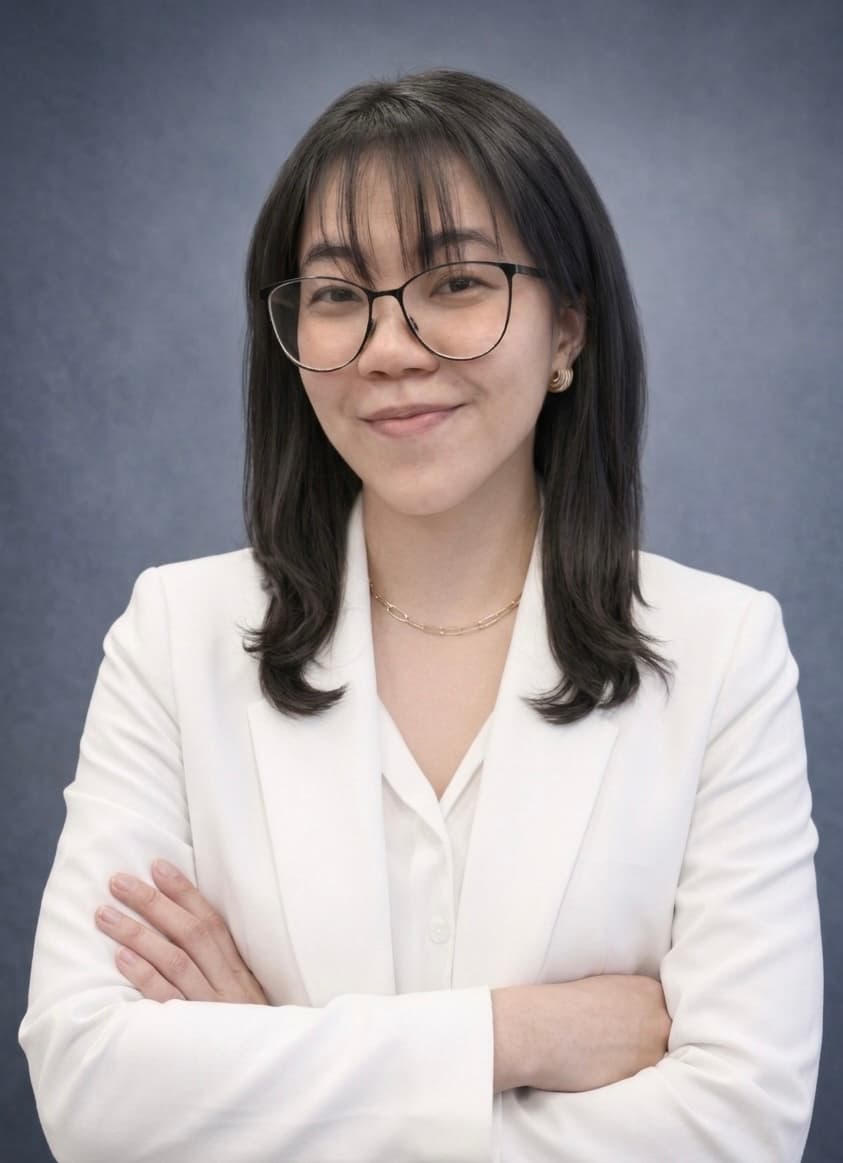
Nyein Pyae Sone
Founder & Executive Director
Founded MCARI in 2023 with the aim of building a Myanmar-led conflict research institution that meets international data standards. Based in the United States. Specializes in conflict data analysis, geospatial monitoring, and data science applied to humanitarian contexts.
Explore the Data
Township maps, monthly trends and every issue of The Myanmar Conflict Monitor are open to all. The event-level map, issue PDFs and data requests require an account.